
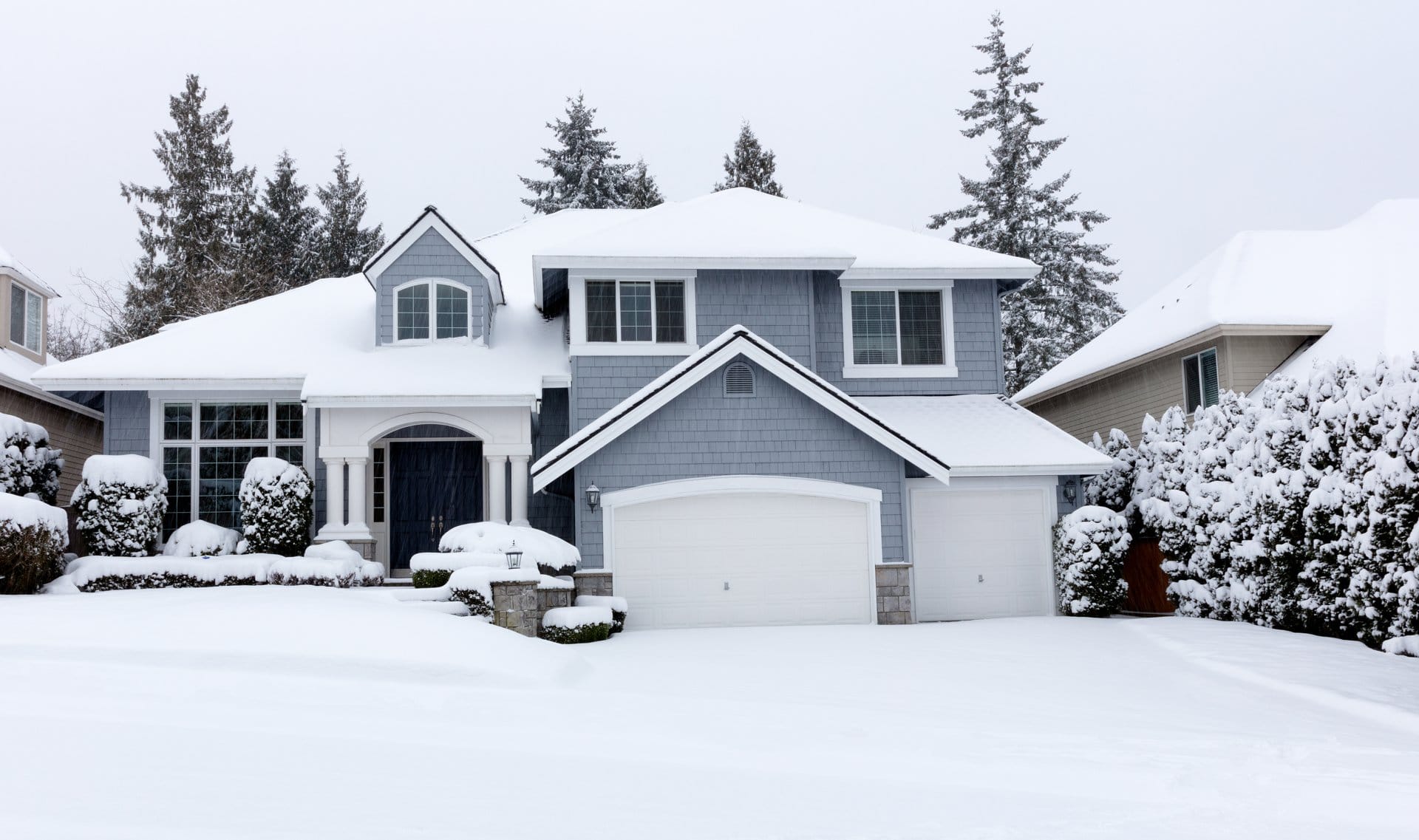
Once the snow starts flying in Buffalo, most of us spend a lot more time indoors with the windows shut tight. That makes winter a natural time to think about indoor air quality, including radon. If you’ve been putting off radon testing, you might be wondering whether winter is a good time to test, or whether you should wait for spring. The short answer: winter is a great time to test for radon in Western New York.
Here’s why, plus what to know about getting accurate results during the colder months.
What Is Radon and Why Should You Test for It?
Radon is a naturally occurring radioactive gas that forms as uranium breaks down in soil and rock. It’s colorless, odorless, and tasteless, so the only way to know if it’s in your home is to test. Radon can seep into homes through cracks in foundations, gaps around pipes, sump pits, and other openings.
According to the U.S. Environmental Protection Agency (EPA), radon is the leading cause of lung cancer among nonsmokers and the second leading cause overall. The good news is that testing is simple, and high levels can be reduced.
Is Winter a Good Time to Test for Radon?
Yes. In fact, winter often provides ideal testing conditions. The EPA’s guidance for short-term radon tests calls for “closed-house conditions,” which means keeping windows and exterior doors closed, except for normal entry and exit, for at least 12 hours before and throughout a test lasting less than four days. In a Buffalo winter, your home is probably already in closed-house mode.
Winter testing also tends to reflect the conditions your family lives in for a large part of the year, when the house is sealed up and you’re spending more time inside.
Why Can Radon Levels Be Higher in Winter?
Radon levels can rise during colder months for a few reasons:
The Stack Effect
When you heat your home, warm air rises and escapes through the upper levels. That creates lower pressure near the foundation, which can pull more soil gas, including radon, into the basement and lower floors. You can learn more about how pressure affects radon in this resource on how the time of year affects radon testing results from radon specialists in North Carolina.
Closed Windows and Doors
With windows shut, there’s less fresh air exchange to dilute indoor radon.
Frozen or Snow-Covered Ground
Frozen or saturated soil around your home can limit how soil gas escapes outdoors, which may push more of it toward the path of least resistance: your foundation.
Will Winter Testing Give Me an Inaccurate Result?
Not if the test is done properly. Seasonal changes can affect radon levels, which is exactly why following testing guidelines matters. To get reliable results during the winter:
- Keep windows and exterior doors closed (normal entry and exit is fine).
- Run your furnace and other heating systems as usual.
- Avoid running fans that bring in outdoor air, such as whole-house fans.
- Place the test in the lowest lived-in level of your home, away from drafts, exterior walls, and high humidity.
- Avoid testing during severe storms or periods of unusually high winds, when possible.
Because radon levels can vary from day to day and season to season, a long-term test of more than 90 days gives the best picture of your home’s year-round average. Many homeowners start with a short-term test and follow up if results are elevated.
What Type of Radon Test Should I Use?
There are a few options:
- Short-term tests measure radon for 2 to 90 days and are a quick way to see if you have a potential problem.
- Long-term tests measure for more than 90 days and better reflect your home’s average levels.
- Continuous Radon Monitors (CRMs) are electronic devices that record radon levels hour by hour. They’re often used in professional testing and real estate transactions because they show how levels change over time and can help flag test interference.
DIY kits can be a helpful starting point, but professional testing helps ensure proper placement, conditions, and interpretation. This overview of DIY vs. professional radon testing from a Tennessee radon company covers the differences in more detail.
What Radon Level Is Considered High?
The EPA recommends fixing your home if radon levels are 4.0 picocuries per liter (pCi/L) or higher, and suggests considering mitigation for levels between 2.0 and 4.0 pCi/L. The World Health Organization (WHO) recommends a lower reference level of about 2.7 pCi/L. There’s no known safe level of radon, so lower is always better.
Can Radon Mitigation Be Installed in the Winter?
Yes. Radon mitigation systems can be installed year-round, including during Western New York winters. Most systems use a technique called sub-slab depressurization, where a fan and vent pipe draw radon from beneath the foundation and release it safely above the roofline. You can learn more about the process in our resource on how radon mitigation works or on our radon mitigation page.
After a system is installed, a follow-up test confirms that radon levels have dropped.
Should I Retest My Home If I Already Have a Mitigation System?
Yes. The EPA recommends retesting homes with mitigation systems at least every two years, and after major renovations or changes to your home. Winter is a smart time to check, since that’s when levels are often at their highest. If your system’s manometer reading has changed, the fan is making unusual noise, or it isn’t running, schedule radon system repair and maintenance to get it back on track.
Don’t wait for spring to find out what’s in your home’s air. Certified Radon Systems provides professional radon testing and mitigation for homeowners in Buffalo and throughout Western New York. Contact us today to schedule your winter radon test.