
Jamestown Radon Testing Experts
In Jamestown, reliable radon testing is key for safety. Trust our certified technicians for accurate measurements and assurance.
Why Radon Testing Matters
The Importance of Radon Testing in Jamestown
In Jamestown, radon is undetectable without professional testing, crucial for safeguarding your family. Our experts accurately measure radon levels, offering complete solutions if needed. We ensure your Jamestown home’s air quality with effective mitigation and repairs.
3,000+
Systems Installed
18
Years of Experience
99%
Success Rate
The Problem & Solution
From Dangerous to Worry-Free
The Problem
The Outcome
90-99% Reduction Rate
Based on 3,000+ successful installations
Faqs
Radon Testing Questions
Get answers to common questions about radon testing and results.
Should radon be tested when buying or selling a home?
Radon testing is strongly recommended as part of any home purchase and is required by law in some states. Buyers should request radon testing during the inspection period, as elevated levels can be a negotiating factor and should be disclosed by sellers in many jurisdictions. Discovering and addressing a radon problem before closing protects both the buyer’s health and their financial investment.
Can radon levels return after mitigation?
Radon levels can rise again if the mitigation system is turned off, damaged, or fails. A malfunctioning fan is the most common reason for returning elevated levels, which is why visual inspections and annual testing are essential. If post-mitigation testing reveals elevated levels, the contractor should be called to inspect and adjust the system, potentially adding additional suction points or replacing the fan.
Can I install a radon mitigation system myself?
It’s recommended to hire a certified professional. Improperly installed systems can be ineffective or even counterproductive, potentially drawing in soil gases or creating pressure imbalances. Most states have certified radon mitigation contractors who follow EPA guidelines and can guarantee effective results.
Can radon levels change over time?
Yes, radon levels fluctuate based on several factors, including seasonal changes, barometric pressure, soil moisture, and building conditions. Levels are typically higher in winter when homes are sealed tightly and lower in summer when more ventilation occurs. This is one reason why long-term testing – lasting 90 days or more – provides a more accurate picture of actual exposure than short-term tests.
How does radon cause lung cancer?
When radon decays, it produces radioactive “progeny” or “daughters,” including polonium, lead, and bismuth. These particles attach to dust and other airborne particles, and when inhaled, they deposit directly onto lung tissue. The alpha radiation emitted by these particles damages DNA in lung cells, which over time can lead to mutations and the development of lung cancer.
Where does radon come from?
Radon originates from the natural breakdown of uranium and radium in the earth’s crust. As uranium decays, it produces radium, which then decays into radon gas. This gas migrates upward through soil and rock, and because buildings create a pressure difference with the surrounding ground, radon is naturally drawn into structures through cracks, gaps, and openings in foundations.
Still have questions about radon testing?
Understanding Radon in Jamestown
Jamestown’s geological characteristics necessitate thorough radon testing to address potential risks in various neighborhoods. Regular testing is crucial.
Health Risks in Jamestown
Continuous exposure to radon significantly increases lung cancer risks, making regular testing in Jamestown essential for health protection.
Jamestown Real Estate Trends
Radon testing is increasingly important in Jamestown’s housing market, ensuring safe environments for new homeowners. Certified Radon Systems is your trusted provider for these essential services.
Key Benefits
Why Choose Our Radon Mitigation Systems
If your radon testing shows elevated levels, Certified Radon Systems is here to help you.
EPA-Approved Methods
All systems installed using EPA-approved techniques and materials
90-99% Reduction
Proven track record of reducing radon to safer levels
Certified Professionals
NRPP-certified technicians with years of experience
Family Protection
Safeguard your loved ones from lung cancer risk
Clean Installation
Neat, professional work that respects your home
Low Operating Cost
Energy-efficient systems cost just $2-4/month to run
Testimonials
What Our Clients Say
Don’t just take our word for it – see what homeowners and real estate professionals have to say about our work.

★★★★★
Scott and everyone at Certified Radon Systems are professional and efficient at what they do! We were so pleased with their approach to our specific needs and their work. They were easy to work with and did a great job!
Davis Creach
★★★★★
Scott and his team were terrific to work with – start to finish. They accommodated our schedule, were prompt, and provided detailed communication every step of the way. They explained everything thoroughly and were patient with our (many) questions.
Ian Long
★★★★★
Scott was very professional and responsive to questions. Our radon level was very high and their team efficiently lowered it to well below the EPA action level. The price seemed reasonable as well.
Amy O’Donnell
Our Solution
How We Fix Your Radon Problem
We use proven, EPA-approved methods to eliminate radon from your home permanently.

01
Site Diagnostic & Custom Design
We perform a comprehensive assessment to ensure we know what we’re dealing with and what type of mitigation process is best for you.
02
Data Acquisition
Our electronic monitors record hourly fluctuations in radon levels, providing a much clearer picture than a single “average” from a charcoal bag.


03
Professional Analysis & Reporting
Once the 48-hour testing window is complete, we provide a comprehensive report that translates raw data into a clear action plan.
Helpful Resources
Learn About Radon
Educational articles and guides to help you understand radon risks, testing, and mitigation.
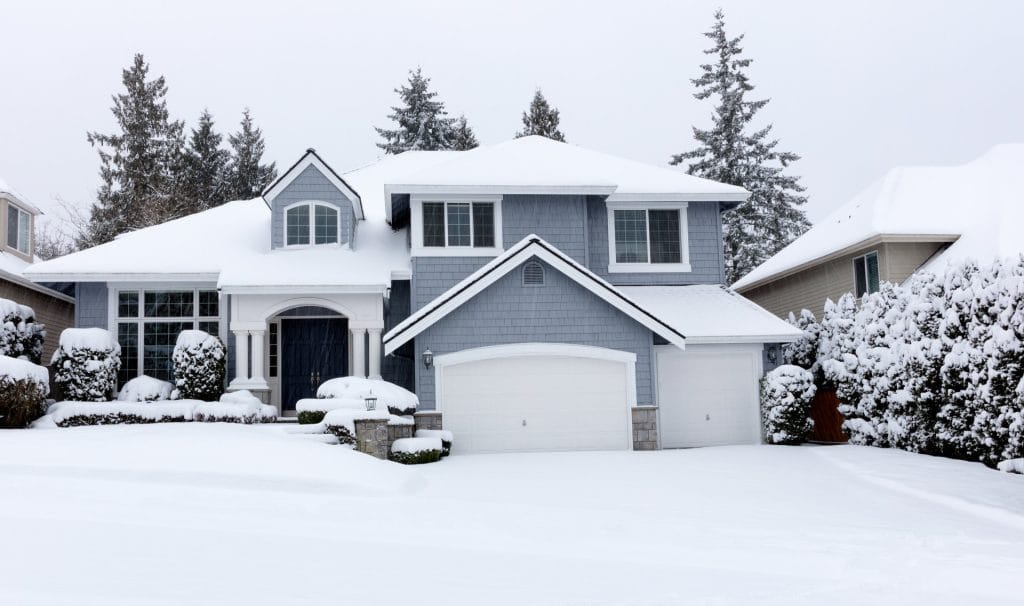
Is Winter a Good Time to Test for Radon?

5 Radon Myths That Could Be Risking Your Health

Signs Your Radon Mitigation System Needs Repair
Service Area
Serving Western NY & Pennsylvania
We proudly serve homeowners and businesses throughout Western New York and Pennsylvania, including:
…and surrounding communities. Not sure if we serve your area? Give us a call!
Get In Touch
Request a Free Consultation
Not sure about your home’s radon levels? Fill out the form below or give us a call to schedule your radon test.
Need clear answers at home? Certified Radon Systems provides residential radon testing across Western New York. If levels come back elevated, radon mitigation is the next step.
"*" indicates required fields