
Niagara Falls Radon Testing
In Niagara Falls, ensure your home’s safety with precise radon testing. Trust our certified technicians for accurate analysis and peace of mind.
Why Radon Testing Matters
Why Niagara Falls Needs Radon Testing
In Niagara Falls, unseen radon poses a risk without testing. Our team provides precise radon assessments, ensuring your family’s safety. If high levels are detected, we offer effective mitigation and repair, maintaining your Niagara Falls home’s air quality.
3,000+
Systems Installed
18
Years of Experience
99%
Success Rate
The Problem & Solution
From Dangerous to Worry-Free
The Problem
The Outcome
90-99% Reduction Rate
Based on 3,000+ successful installations
Faqs
Radon Testing Questions
Get answers to common questions about radon testing and results.
Can radon levels return after mitigation?
Radon levels can rise again if the mitigation system is turned off, damaged, or fails. A malfunctioning fan is the most common reason for returning elevated levels, which is why visual inspections and annual testing are essential. If post-mitigation testing reveals elevated levels, the contractor should be called to inspect and adjust the system, potentially adding additional suction points or replacing the fan.
Where does radon come from?
Radon originates from the natural breakdown of uranium and radium in the earth’s crust. As uranium decays, it produces radium, which then decays into radon gas. This gas migrates upward through soil and rock, and because buildings create a pressure difference with the surrounding ground, radon is naturally drawn into structures through cracks, gaps, and openings in foundations.
What is radon?
Radon is a naturally occurring, radioactive gas that forms from the decay of uranium found in soil, rock, and water. It is colorless, odorless, and tasteless, making it completely undetectable without specialized testing equipment. Radon is classified as a noble gas, meaning it does not chemically bond with other elements, which allows it to move freely through soil and building materials into indoor spaces.
What is considered a safe level of radon?
There is technically no “safe” level of radon, but the EPA recommends taking action to reduce radon in your home if levels reach 4 pCi/L or higher. The average indoor radon level in the United States is approximately 1.3 pCi/L, while outdoor air typically measures around 0.4 pCi/L.
Why is radon considered dangerous?
Radon is the second leading cause of lung cancer in the United States, responsible for approximately 21,000 deaths per year according to the EPA. When radon gas is inhaled, it decays into radioactive particles that can become trapped in the lungs, where they emit radiation that damages lung tissue over time. The risk increases significantly with long-term exposure to elevated radon levels, particularly in enclosed, poorly ventilated spaces.
Can radon levels change over time?
Yes, radon levels fluctuate based on several factors, including seasonal changes, barometric pressure, soil moisture, and building conditions. Levels are typically higher in winter when homes are sealed tightly and lower in summer when more ventilation occurs. This is one reason why long-term testing – lasting 90 days or more – provides a more accurate picture of actual exposure than short-term tests.
Still have questions about radon testing?
Radon Testing in Niagara Falls
Niagara Falls’ unique geological makeup means varying radon levels across different areas, necessitating frequent and thorough radon testing.
Health Considerations in Niagara Falls
Radon exposure can lead to serious health risks, including lung cancer, highlighting the importance of regular testing in the Niagara Falls area.
Niagara Falls Housing Market
The real estate market in Niagara Falls recognizes the value of radon testing during transactions to ensure buyers have safe and compliant homes. Certified Radon Systems provides reliable testing services to meet these demands.
Key Benefits
Why Choose Our Radon Mitigation Systems
If your radon testing shows elevated levels, Certified Radon Systems is here to help you.
EPA-Approved Methods
All systems installed using EPA-approved techniques and materials
90-99% Reduction
Proven track record of reducing radon to safer levels
Certified Professionals
NRPP-certified technicians with years of experience
Family Protection
Safeguard your loved ones from lung cancer risk
Clean Installation
Neat, professional work that respects your home
Low Operating Cost
Energy-efficient systems cost just $2-4/month to run
Testimonials
What Our Clients Say
Don’t just take our word for it – see what homeowners and real estate professionals have to say about our work.

★★★★★
Scott and everyone at Certified Radon Systems are professional and efficient at what they do! We were so pleased with their approach to our specific needs and their work. They were easy to work with and did a great job!
Davis Creach
★★★★★
Scott and his team were terrific to work with – start to finish. They accommodated our schedule, were prompt, and provided detailed communication every step of the way. They explained everything thoroughly and were patient with our (many) questions.
Ian Long
★★★★★
Scott was very professional and responsive to questions. Our radon level was very high and their team efficiently lowered it to well below the EPA action level. The price seemed reasonable as well.
Amy O’Donnell
Our Solution
How We Fix Your Radon Problem
We use proven, EPA-approved methods to eliminate radon from your home permanently.

01
Site Diagnostic & Custom Design
We perform a comprehensive assessment to ensure we know what we’re dealing with and what type of mitigation process is best for you.
02
Data Acquisition
Our electronic monitors record hourly fluctuations in radon levels, providing a much clearer picture than a single “average” from a charcoal bag.


03
Professional Analysis & Reporting
Once the 48-hour testing window is complete, we provide a comprehensive report that translates raw data into a clear action plan.
Helpful Resources
Learn About Radon
Educational articles and guides to help you understand radon risks, testing, and mitigation.
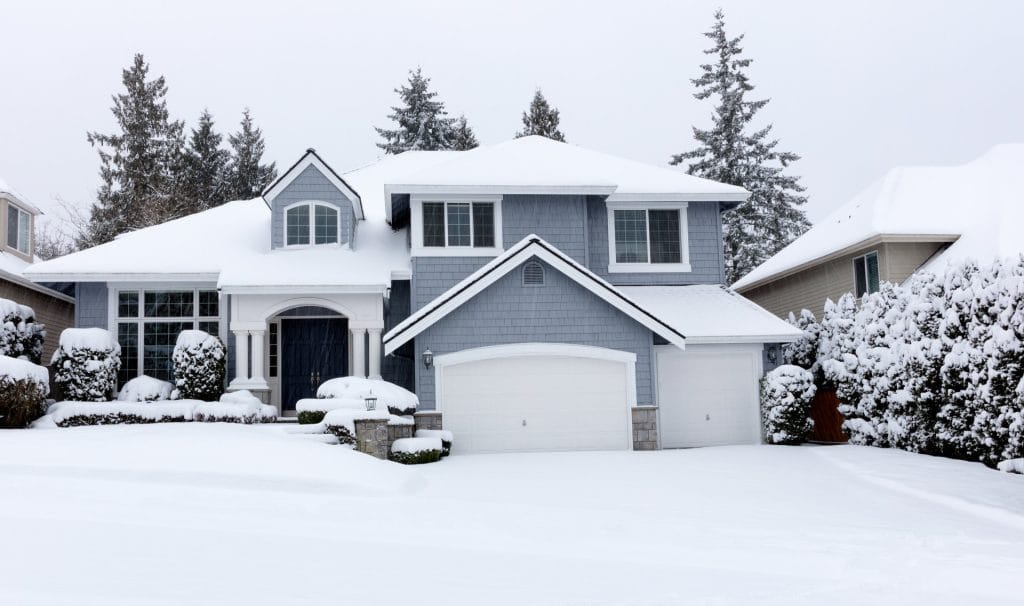
Is Winter a Good Time to Test for Radon?

5 Radon Myths That Could Be Risking Your Health

Signs Your Radon Mitigation System Needs Repair
Service Area
Serving Western NY & Pennsylvania
We proudly serve homeowners and businesses throughout Western New York and Pennsylvania, including:
…and surrounding communities. Not sure if we serve your area? Give us a call!
Get In Touch
Request a Free Consultation
Not sure about your home’s radon levels? Fill out the form below or give us a call to schedule your radon test.
Need clear answers at home? Certified Radon Systems provides residential radon testing across Western New York. If levels come back elevated, radon mitigation is the next step.
"*" indicates required fields